All Categories
Featured


Key Global Milestones in Brand Expansion
Table of Contents
AI chatbots can address frequently asked visitor questions, lowering front desk and client service work so these staff members can concentrate on more complex matters and on developing significant visitor interactions. AI analysis of facilities and equipment can expect problems, while agentic AI can handle repairs and order parts autonomously, decreasing the risk of failures and pricey emergency situation repair work.
Agentic AI can evaluate meal and beverage offerings, buyings, and success to immediately buy brand-new inventory and recommend price or menu adaptations. According to EHL Assistant Teacher Dr. Jie Yu Kerguignas, hospitality leaders "aspire to experiment with tools that empower workers." As EHL alumnus, Vice President at Apaleon, and hospitality tech professional, Florian Montag says, making use of AI is not about "robots changing individuals" but about producing a collective dynamic where digital assistants deal with routine intricacy autonomously, freeing human employees to do what they do best: supply genuine hospitality.
AI-powered predictive scheduling can prepare for peak tension periods and assign personnel efficiently, while AI analytics can identify patterns of overworking or absenteeism, making it possible for management to method and assistance staff members proactively. AI can likewise support psychological health and task satisfaction by lowering repetitive jobs and allowing more well balanced work. "When workers feel less overwhelmed by administrative problems, they are better able to concentrate on the innovative, social, and service-oriented aspects of their functions," says EHL Teacher Dr.
Emerging Restaurant Industry Trends Driving Future Success
AI allows hospitality organizations to customize the visitor experience more than ever before, and at scale. Where analyzing big sets of visitor information used to be labor-intensive, AI can effectively identify patterns and make actionable suggestions. As personalization has actually become significantly important over the last few years, the value of this chance can't be downplayed.
On the other hand, increased consumer privacy awareness and issues may make a section of tourists lean towards brands that do not appear to gather as much visitor information (Qualtrics, Deloitte). AI brings hospitality online marketers both new chances and brand-new challenges. As an increasing variety of travelers turn to AI for travel research study and even to book journeys, hospitality brand names require to get exposure in the LLMS that tourists utilize.
travelers utilized gen AI tools to plan journeys in 2025, an 11-point jump in simply one year." LLM optimization will require to become an increasingly huge part of their marketing mix, along with more conventional methods such as paid marketing, social networks marketing, and conventional Seo (SEO). For companies with minimal marketing resources, options might require to be made, as those who move now have an opportunity to get ahead of the competition.
The Future for Profitable Business Investments in 2026Marketers can focus on method as AI handles data analysis, repeated jobs, and online brand name tracking. With AI taking up a growing function in hospitality processes, worker retention hinging not just on reimbursement but also on fulfilment and health and wellbeing, and the market having a hard time with high turnover and continuous staffing lacks, adopting a people-first method is vital.
People-first hospitality is driven by human-centric leaders who comprehend the importance of psychological intelligence and prioritize the needs and well-being of workers. These leaders are four times most likely to keep staff and 22 times more likely to drive high performance. This isn't surprising, as staff members who feel safe and supported are most likely to take company, communicate freely, share ideas, and experiment.

How to Scale a Restaurant Group Efficiently
A study by EHL Teacher of Organizational Habits Dr Stefano Borzillo with the University of Applied Sciences HES-SO showed that Gen-Z hospitality students emphasize "the need for flatter hierarchies, transversal partnership, and project-based work" while likewise expressing "concern over poisonous cultures, harassment, and the problem of 'greenwashing', calling rather for authentic leadership and a visible dedication to diversity, addition, and Corporate Social Duty (CSR)," thus Dr Borzilo. A people-first approach isn't just useful for younger employees. EHL Professor Dr Bertrand Audrin says that the organization world and industry must not differentiate too highly in between the specific needs of different generations. He specifies that in the end, it's the group that chooses whether a leader succeeds, and because sense, human-centric management is very important to every worker, despite their age or profession.
And of course, excellent soft abilities. - Frank Marrenbach, EHL IAB Member and CEO of Althoff Hotels In conclusion, human-centricity is an essential development for handling personnel scarcities, moving employee values, and speeding up technological development. By employing and training people who can lead with compassion, self-awareness, and credibility, the hospitality market can develop an appealing work environment for lots of generations to come, improving both employee and visitor satisfaction.
According to , 93% of worldwide travelers say they wish to make more sustainable choices when taking a trip, and 69% want to leave locations much better than when they got here. Travelers are generally likewise ready to pay more to remain at sustainable hotels. And as the requirement for environment-friendly practices is significantly recognized and acted on, those at the leading edge are currently taking it a step further.
- Markus Venzin, CEO EHL Group Where sustainability determines success by what is lowered or avoided less carbon, less water, less waste regrowth, in contrast, concentrates on developing a favorable effect. Instead of simply offsetting damage, regenerative hospitality aims to produce new value not just for its visitors however for its whole environments.
The hospitality market can contribute to regrowth in various ways: by replanting mangroves, producing biodiversity, supporting regional ecological groups, or collaborating with regional ecological efforts to create significant guest experiences. by providing areas to local groups, developing a hub where residents can meet, or welcoming local artists to carry out. by training and hiring locals, or working with local vendors.
Smart Methods to Boost Market Presence via Expansion
To decrease environmental and supply chain dangers. For brand name differentiation. The foodservice industry is uniquely placed to favorably affect social and natural environments, consumer health, and the economy as it touches many lives every day. Hotels and restaurants can affect sourcing, design more health-conscious menus, promote social dining practices, and foster openness and innovation in their operations.
On top of that, they can react to the growing need for food that is not just satisfying but also helpful of guests' individual and the planet's well-being. Adopting a more regenerative technique is frequently seen as costly and booked for specific niche, premium brands. EHL Professor and author of a current EHL research study around the subject, Dr.
He likewise worries that sustainable food practices can give hospitality companies of all sizes a competitive edge by "opening brand-new earnings streams, enhancing performance, and winning sustainability-minded clients." At the very same time, it's crucial to acknowledge that embracing regrowth or sustainability practices isn't constantly simple, especially for smaller services. There needs to be "a balance in between immediate operational requirements and long-lasting ecological objectives, placing sustainability not just as an ethical vital but also as a motorist of competitiveness and resilience in the progressing foodservice landscape," as Dr Martin-Ross states.

Latest Posts

How Hospitality Innovations Will Shape 2026 Returns
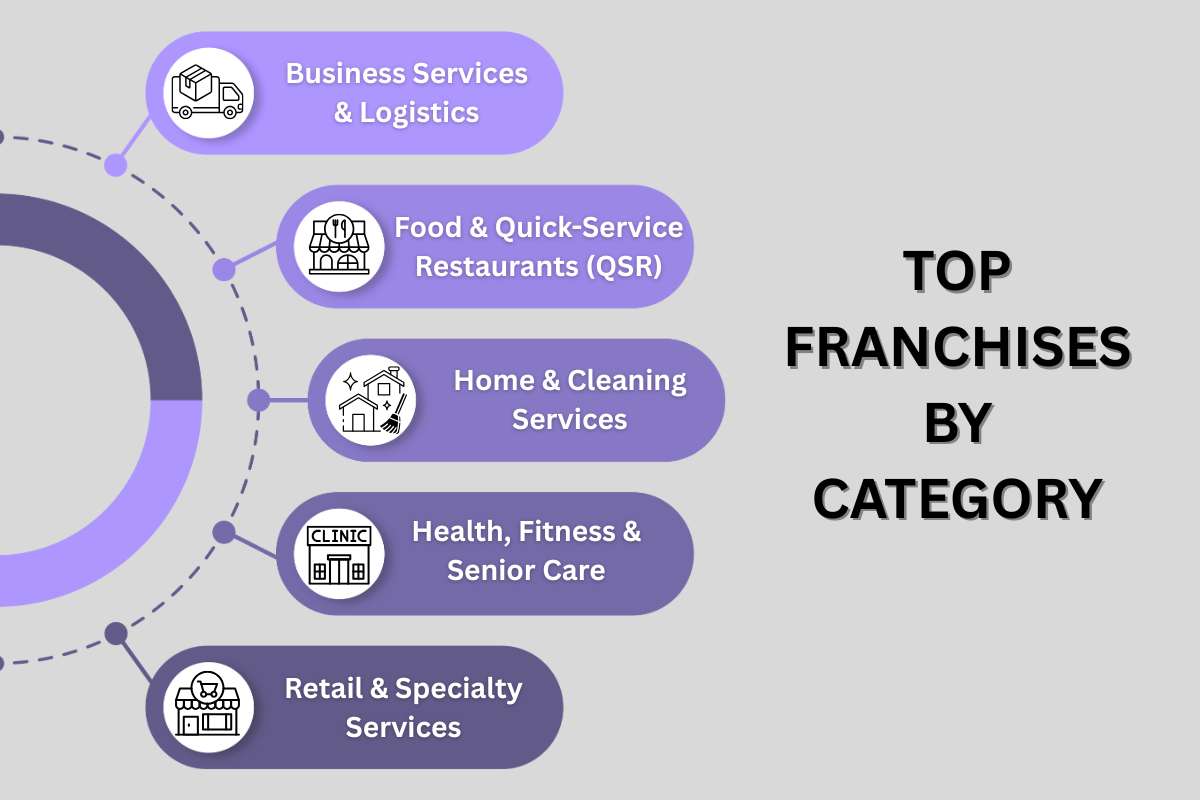
Major Expansion Targets in 2026

Proven Tips for Restaurant Brand Expansion